
Worlds Beyond the Ordinary
From ancient magic and legendary quests to hidden kingdoms, mythical creatures, and unforgettable heroes, this fantasy collection is made to transport readers into realms where wonder and danger live side by side.
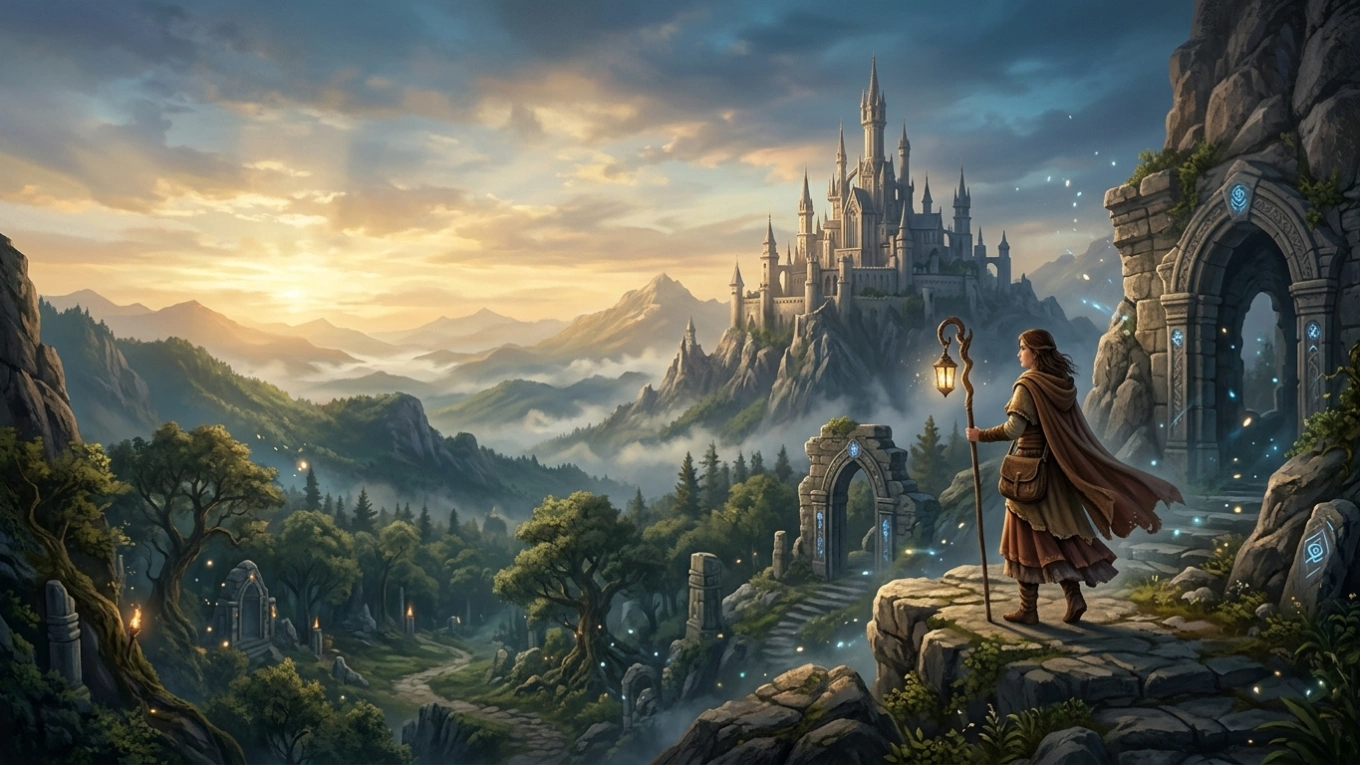
What defines the Fantasy genre?
The fantasy story genre is built around elements that do not exist in the ordinary world, such as magic, invented realms, supernatural beings, mythical systems, or impossible powers. Fantasy allows writers to create stories that move beyond everyday limits while still exploring deeply human emotions like courage, loss, loyalty, love, greed, and sacrifice.
Fantasy can take many forms. Epic fantasy may involve kingdoms, wars, and destiny. Urban fantasy may blend magic with modern life. Dark fantasy may introduce danger, curses, or morally complex power. Portal fantasy may carry characters from the ordinary world into another realm. Even with these differences, fantasy usually shares one key quality: it creates a world where the impossible feels believable.
A defining feature of fantasy is worldbuilding. The setting often has its own history, cultures, creatures, rules, and systems of magic. Readers want to feel that the world extends beyond the page. At the same time, strong fantasy does not rely on worldbuilding alone. The reader still needs characters with clear desires, meaningful struggles, and emotional stakes.
Fantasy is often most powerful when the magical elements are tied to conflict. Magic should not just be decorative. It should create problems, raise costs, reveal character, or deepen the story’s central themes. The best fantasy stories combine wonder with consequence.
How to build atmosphere?
In fantasy fiction, atmosphere is what makes the world feel immersive, ancient, enchanted, dangerous, or awe-inspiring. Because the setting is often unfamiliar, atmosphere helps convince the reader that this invented world is real.
One of the best ways to build atmosphere in fantasy is through layered sensory detail. Instead of only explaining what a place looks like, show how it feels to exist there. The cold breath of mountain air, the glow of blue fire in a temple hall, the distant sound of dragon wings, or the scent of rain drifting through a forest of silver-leafed trees can make a setting feel vivid and alive.
Atmosphere in fantasy also depends on tone. A forgotten ruin may feel sacred, haunted, or full of hidden knowledge depending on the language used. A royal court may feel glittering and elegant on the surface while carrying tension beneath every smile. The mood of the scene should match the emotional and narrative purpose of the moment.
History can deepen atmosphere as well. Fantasy settings often feel richer when they suggest age and memory. Cracked statues, old songs, ruined towers, family crests, sacred customs, and whispered legends all make the world feel larger than the immediate plot.
Light, color, and movement are especially useful in fantasy writing. Moonlit stone, ember-lit halls, lanterns drifting over black water, banners snapping in the wind, and enchanted forests stirring with unseen life can all strengthen the feeling of wonder and danger.
Tips for self-publishing?
Self-publishing fantasy can be rewarding, but the genre is competitive. Readers often expect strong worldbuilding, a clear subgenre identity, and a professional presentation from the moment they see the cover.
Here are five practical tips for new fantasy authors:
Tip 1: Know Your Fantasy Subgenre
Fantasy readers often search by niche. Epic fantasy, romantasy, dark fantasy, sword and sorcery, fairy tale fantasy, and cozy fantasy all appeal to different audiences. Be specific.
Tip 2: Balance Worldbuilding with Story
Readers enjoy rich settings, but they still need a compelling character journey and clear conflict. Build your world in a way that supports the plot rather than slowing it down.
Tip 3: Create a Professional Cover That Signals Genre
Fantasy covers should communicate tone quickly. A whimsical fantasy, a dark fantasy, and a romantic fantasy need different visual cues. Study current covers in your exact lane.
Tip 4: Write a Description Focused on Stakes
Do not spend the entire blurb explaining the world. Introduce the protagonist, the central threat, and the key emotional or political stakes. Make readers feel the tension.
Tip 5: Think in Terms of Series Potential
Fantasy readers often love series. Even if you publish one book first, consider how the setting, conflict, or character arc might support future books in the same world.
Final Thought
Fantasy invites readers to step into the impossible, but what keeps them turning pages is emotional truth. A magical world becomes unforgettable when the people inside it feel real.