Where Horror Comes Alive
Delve into the shadows with expert tips, chilling stories, and a community that breathes life into every nightmare.
What defines horror?
The horror story genre is designed to evoke fear, dread, unease, or deep emotional discomfort. Horror can involve monsters, ghosts, curses, violence, isolation, madness, or the slow realization that something is terribly wrong. What matters most is not only the threat itself, but the emotional experience it creates in the reader.
Horror often explores vulnerability. Characters may be trapped, haunted, stalked, corrupted, or forced to confront something they do not understand. Sometimes the danger is supernatural. Sometimes it is human. Sometimes it comes from inside the character’s own mind. The genre is broad, but it usually works by taking safety away.
A strong horror story also depends on tension and tone. Fear is rarely created by shocking events alone. It often grows through anticipation, suggestion, and the feeling that something is approaching. The unknown can be more powerful than the fully explained.
Horror frequently reflects deeper fears as well. Beneath the surface, many horror stories explore grief, guilt, control, isolation, trauma, obsession, or the loss of identity. That emotional layer is often what makes a frightening story linger after the last page.
How to build atmosphere?
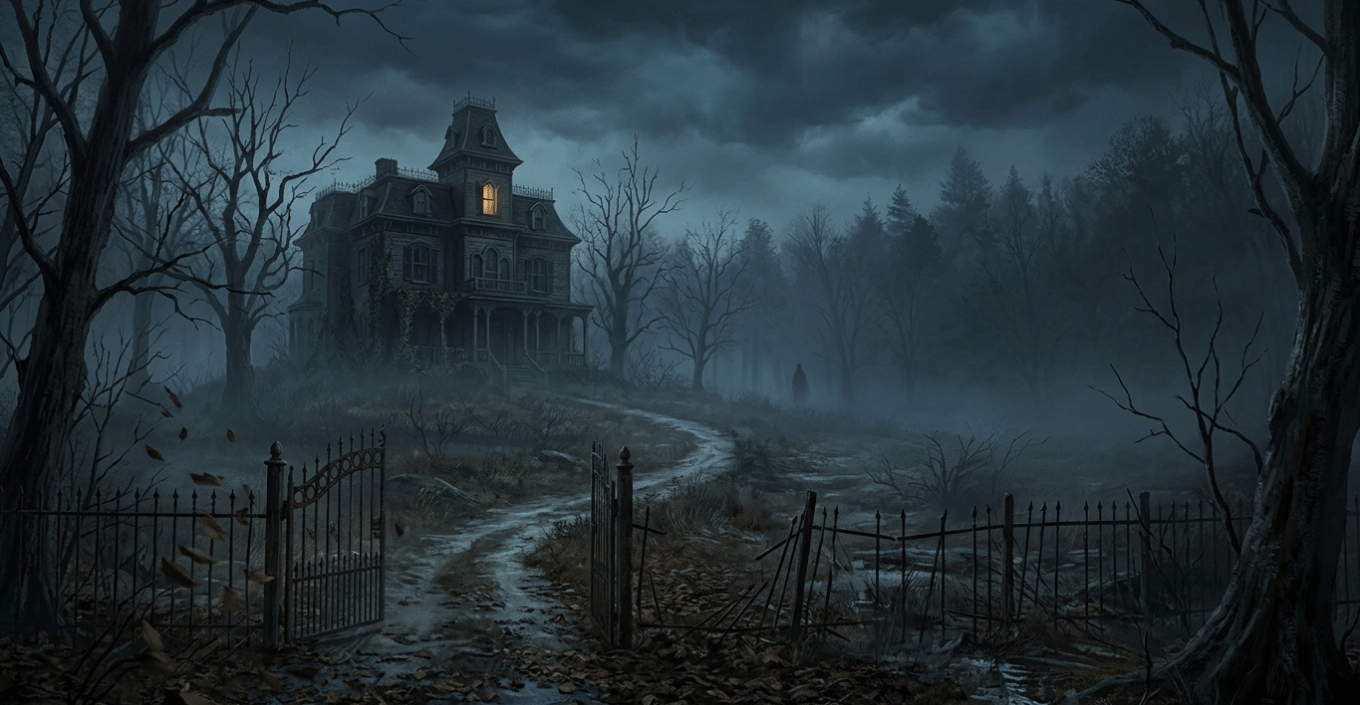
Atmosphere is one of the most important tools in horror. Before the reader feels fear, they must feel unease. The setting, pacing, and description should slowly create the sense that something is off.
One of the best ways to build horror atmosphere is through sensory detail that feels slightly wrong or disturbing. A hallway that is too quiet, a wet footprint where none should be, a smell of rot in a clean room, a flickering bulb, or a child’s voice in an empty house can create tension immediately. Horror often works best when the unsettling detail enters an otherwise normal setting.
Pacing is also critical. Do not rush every frightening moment. Let the dread build. Let the reader sit inside uncertainty. A pause outside a locked door, a long silence on the phone, or a figure standing too still at the edge of a field can be more frightening than immediate action.
Darkness, confinement, weather, distance, and silence all help shape horror mood. So do repetition and pattern. A sound heard twice may be curious. Heard a third time, it becomes threatening. Atmosphere grows when the reader senses that the ordinary world is beginning to break.
Language in horror should be sharp and controlled. You do not need to over-describe every scary image. Often, one precise unsettling detail is stronger than a paragraph of explanation.
Tips for self-publishing?
Horror readers are passionate and often very aware of subgenre expectations. If you self-publish horror, the key is to deliver a clear promise about the type of fear your book offers.
Here are five practical tips for new horror authors:
Tip 1: Know Your Horror Subgenre
Supernatural horror, psychological horror, folk horror, creature horror, extreme horror, and gothic horror all attract different readers. Be clear about your lane.
Tip 2: Open with Unease or Tension
Readers should quickly sense that something is wrong. You do not need to reveal the full threat immediately, but the mood should begin early.
Tip 3: Use Strong Visual Packaging
Horror covers need a clean, striking tone. Whether subtle or intense, the imagery and typography should instantly suggest dread, darkness, or danger.
Tip 4: Make the Blurb Feel Unsettling
Your description should not summarize everything. It should create curiosity, suggest the threat, and make the reader feel that opening the book means stepping into danger.
Tip 5: Deliver on Tone
If your book promises eerie psychological dread, body horror, haunted-house terror, or survival horror, the reading experience should match that promise from beginning to end.
Final Thought
The best horror stories do more than frighten. They create a feeling readers cannot easily shake, as if something followed them out of the story and into the dark.