
Clues, Secrets, and Revelations
From hidden motives and puzzling disappearances to brilliant detectives and carefully planted clues, this mystery collection is made for readers who love suspense, deduction, and satisfying reveals.
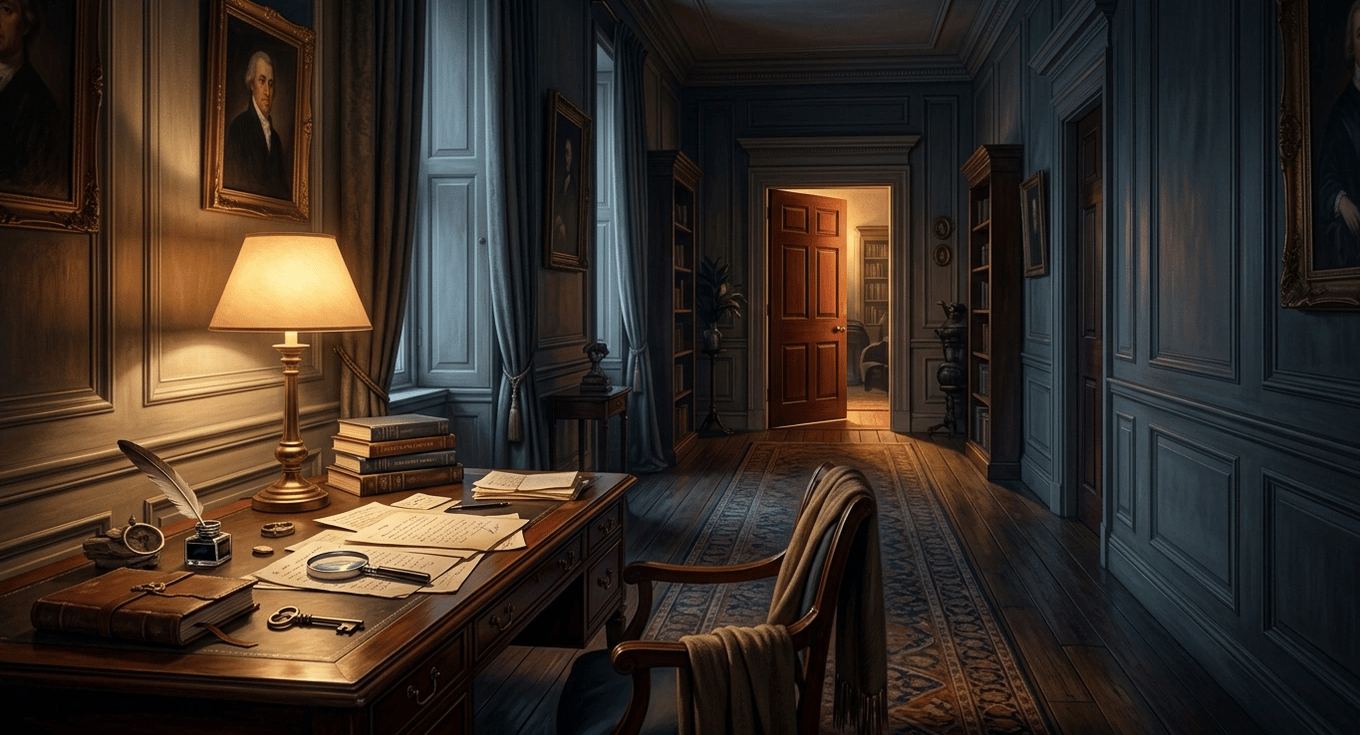

What defines the Mystery story genre?
The mystery story genre centers on a question that must be answered. Usually that question involves a crime, disappearance, secret, or unexplained event, and the story unfolds through the search for truth. Mystery fiction is driven by curiosity. Readers keep turning pages because they want to know what happened, why it happened, and who is hiding the truth.
A defining feature of mystery is structure. The story often begins with a problem or puzzle, then gradually reveals clues, suspects, motives, and false leads. Strong mysteries create a balance between surprise and fairness. The solution should feel satisfying, not random. Readers want to be misled in clever ways, but they also want to believe the answer was there all along.
Mysteries can vary widely in tone. Some are cozy and character-focused. Others are dark, tense, and psychologically layered. Some emphasize brilliant deduction, while others focus on emotional secrets and interpersonal tension. No matter the style, the genre depends on controlled information and careful pacing.
The best mystery stories do more than hide an answer. They create a world of suspicion, tension, and consequence where every conversation, object, and memory may matter more than it first appears.
How to build atmosphere?
Mystery atmosphere should create curiosity, tension, and a feeling that something important is hidden just beneath the surface. The reader should sense that the world is holding back information.
One of the strongest tools in mystery writing is selective detail. A locked drawer, a broken watch, muddy footprints, a missing photograph, or a pause that lasts too long during questioning can create intrigue immediately. In mystery fiction, small details often carry large meaning.
Atmosphere also grows from uncertainty. A familiar place can feel strange when something is off. A quiet village may seem full of secrets. A family home may feel tense because everyone knows more than they admit. The contrast between appearance and truth is one of the most effective mood-building tools in the genre.
Pacing matters too. Mystery scenes often benefit from restraint. Instead of explaining everything at once, let the reader feel the weight of unanswered questions. Silence, hesitation, conflicting accounts, and subtle inconsistencies can create powerful suspense.
Weather, setting, and timing can also strengthen atmosphere. Rain on windows, dim hallways, old mansions, remote inns, libraries, small towns, train platforms, and late-night interviews all lend themselves naturally to mystery. The key is to use the setting to reinforce secrecy and curiosity rather than treating it as background only.
Tips for self-publishing?
Mystery readers are loyal, but they also expect a polished reading experience. If you self-publish in this genre, clarity, professionalism, and strong plotting are essential.
Here are five practical tips for new mystery authors:
Tip 1: Build Around a Strong Core Question
Your story needs a compelling mystery at its center. The reader should quickly understand what question is driving the plot and why it matters.
Tip 2: Plant Clues with Care
A good mystery rewards attention. Clues should be present, but they should not feel too obvious. Aim for details that gain meaning later.
Tip 3: Match Your Cover to the Tone
A cozy mystery cover should feel very different from a dark psychological mystery. Your visual branding should signal the reader experience clearly.
Tip 4: Avoid a Weak or Random Ending
The solution should grow naturally from the story. Readers may forgive many things, but they rarely forgive a reveal that feels unearned.
Tip 5: Write a Blurb That Creates Questions
A mystery description should not explain too much. Introduce the central problem, the setting or lead character, and the tension that makes the case impossible to ignore.
Final Thought
Mystery fiction works best when it invites readers to pay attention, suspect everyone, and keep guessing. A satisfying answer matters, but so does the pleasure of the search.